USDA Hardiness Zones Across Connecticut: Checking Your Local ZIP
Connecticut hardiness zones help assess perennial winter survival, but ZIP-code map checks and microclimate details matter for planting choices.
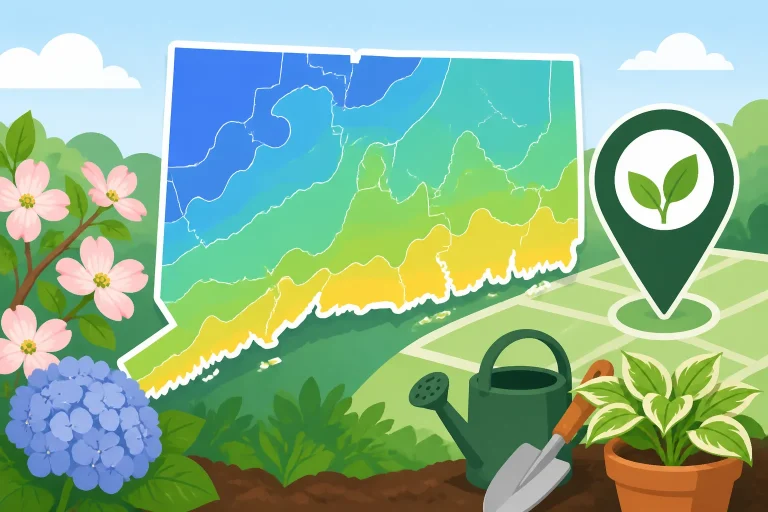
Connecticut hardiness zones help assess perennial winter survival, but ZIP-code map checks and microclimate details matter for planting choices.
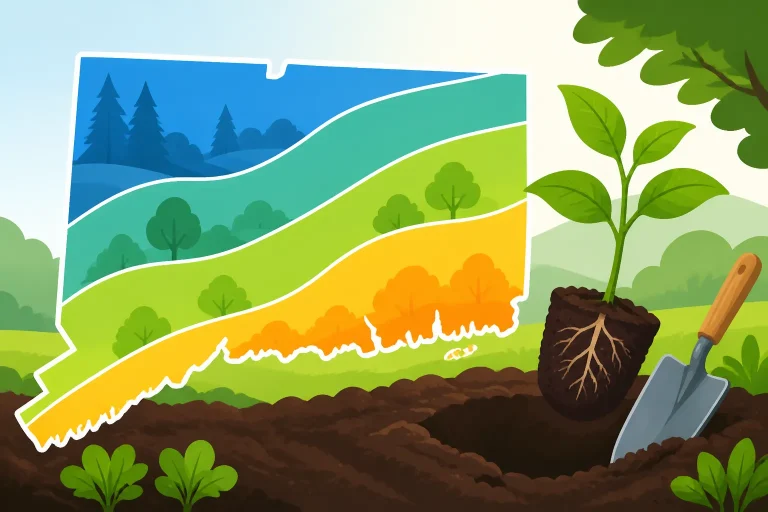
Connecticut planting zones shape transplant timing, but local frost risk, soil warmth, elevation, and shelter matter more than a zone alone.
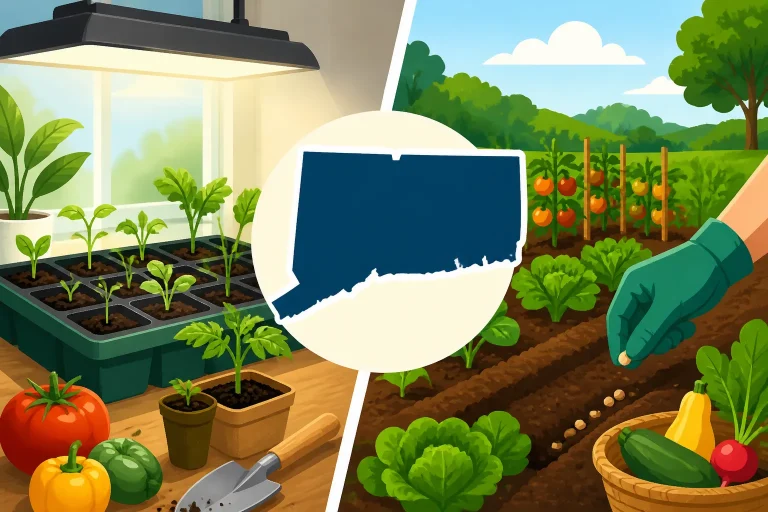
Connecticut indoor seed starting and outdoor vegetable sowing dates depend on crop, soil, and local weather; use flexible windows, not fixed days.
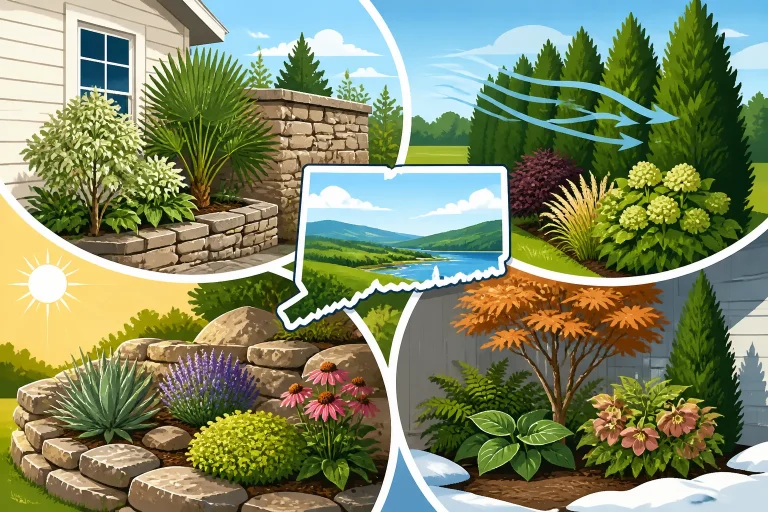
Connecticut garden microclimates can help borderline-hardy plants survive, but shelter, drainage, winter moisture and backup protection all matter.
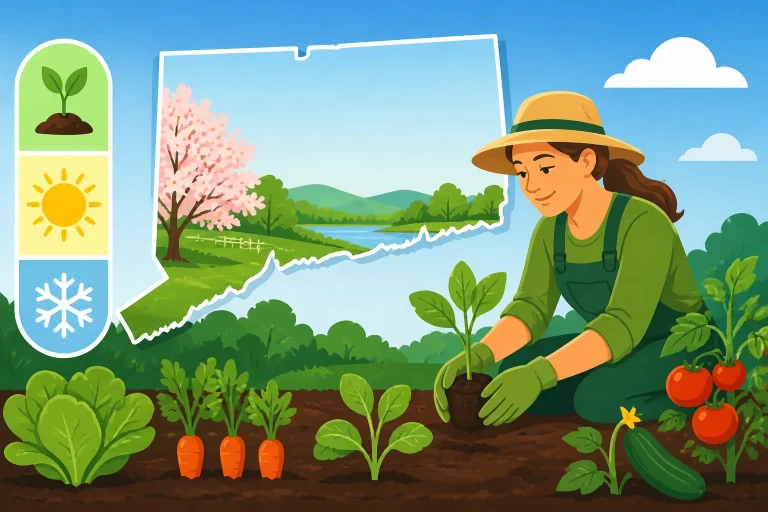
When to plant vegetables outdoors in Connecticut depends on crop type, soil warmth, moisture, and local conditions; use a flexible plan, not one fixed date.
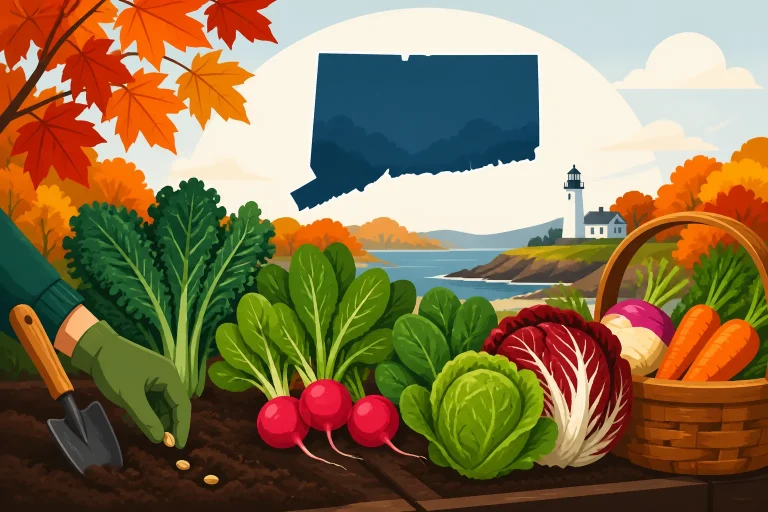
Connecticut fall garden planting depends on local frost risk and crop maturity; choose cool-season crops, sow with a buffer, and protect late harvests.