Connecticut Fall Garden Planting Guide: Crops to Sow for Late Harvest
A Connecticut fall garden works best when planting is planned backward from the first hard freeze, not around a single statewide date. Coastal, inland, and elevated gardens cool at different rates, and shortening days slow growth. This guide helps you choose crops, estimate when to sow them, and protect a late harvest as autumn approaches.
Plan backward from your garden’s first frost
Fall planting is a timing problem: a crop needs enough time to grow before cold weather slows it down or a freeze damages it. The right sowing date depends on the crop, the seed packet’s days-to-maturity information, your garden’s conditions, and how much protection you can provide.
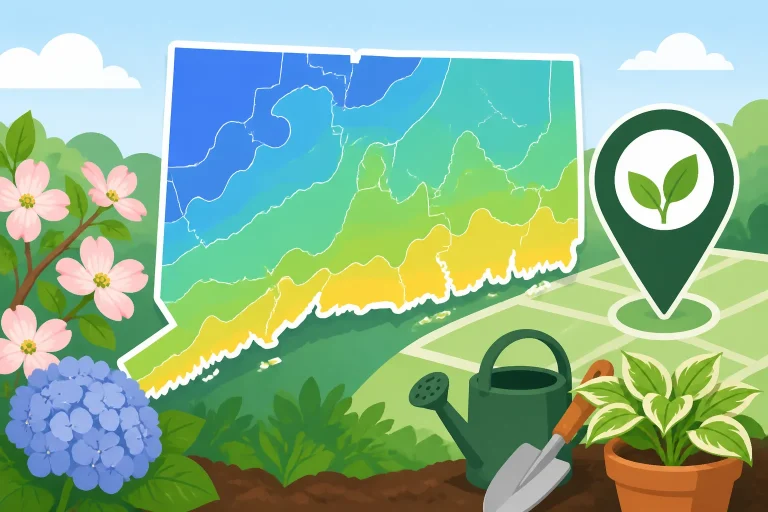
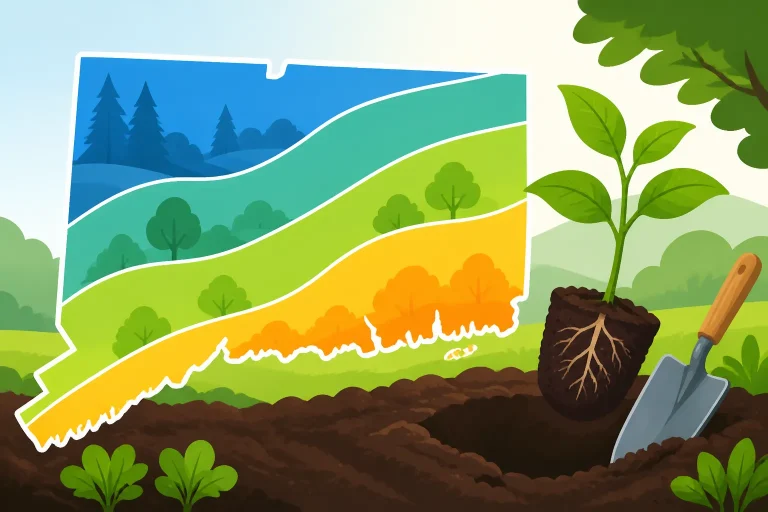
Connecticut does not have one dependable fall planting date for every garden. Coastal sites, inland valleys, and higher-elevation locations can have different frost risks. Even nearby gardens can vary because of slope, wind exposure, buildings, pavement, and tree cover. Frost estimates are probabilities, not promises, and the actual weather changes from year to year. For a closer look at regional differences, see First Fall Frost Across Connecticut: Coast to Inland Timing and Freeze-Free Growing Season Lengths Across Connecticut Regions.
Estimate a sowing window
Use the expected first fall frost for your location as a planning reference, then work backward:
- Find the crop’s stated days to maturity on the seed packet or plant tag.
- Decide what you want to harvest: a mature head or root may need longer than baby leaves.
- Count backward from the date you hope to harvest, allowing for slower autumn growth.
- Add a buffer for uneven germination, hot or dry soil, pests, and weather delays.
- Sow a small test row if you are uncertain, and use transplants for crops that need more growing time.
Days to maturity is an estimate, not a guarantee. It may be counted from sowing or from transplanting, depending on the crop and seed company. Check the packet’s wording before doing the calculation. A crop that matures in a certain number of days under favorable growing conditions may take longer when days are short and temperatures are cool.
A simple backward calculation is useful, but it needs a little judgment. If a packet says a crop needs a particular number of days and that period runs close to your frost estimate, consider a faster-maturing option, a transplant, or a protected bed. If the crop has a long growing period and you are already late in the season, it may be more realistic to harvest young leaves or small roots than to expect full-size produce.
Account for the shorter days
Early fall can feel like an extension of summer, but plants notice that daylight is diminishing. A seed sown in late summer has fewer hours of light available as it grows than one sown in spring. Cool nights and lower sun angles also slow development.
This means that using the seed packet’s maturity estimate as an exact countdown can lead to disappointment. Start early enough to give crops a margin, especially when growing them for full-size roots, heads, or bulbs. For leaves, you may be able to harvest at a smaller size if growth slows before the plant reaches its full potential.
Use local conditions, not just a calendar
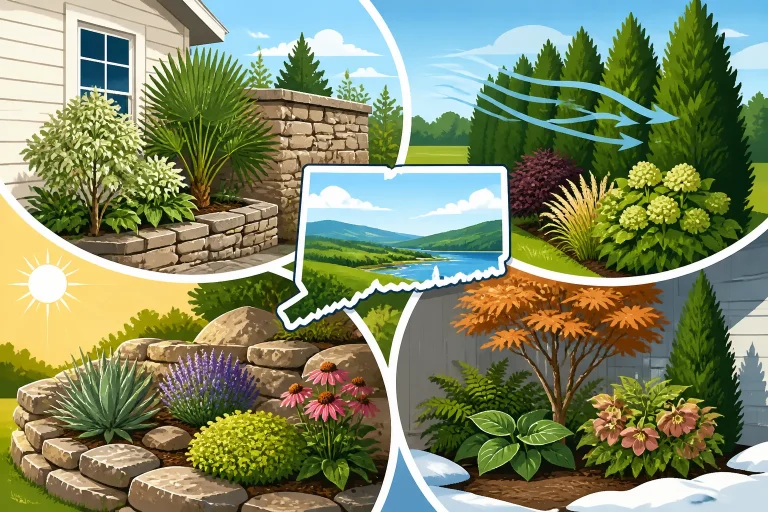
A sunny, sheltered garden may stay productive longer than an exposed one, but a warm wall is not a substitute for good crop timing. Shade, cold-air pockets, and wet soil can shorten the practical season. A garden at the bottom of a slope may collect cold air, while a site near a building may stay warmer. These differences make it useful to track when your own beds cool and how long they remain productive.
If you have not yet identified the conditions in your yard, Creating Garden Microclimates to Grow Borderline-Hardy Plants offers ideas for understanding sheltered and exposed spots. For a broader seasonal view, Connecticut Garden Calendar: What to Plant and Harvest Each Month can help you connect fall sowing with the rest of the garden year.
Best crops to sow for a Connecticut fall harvest
Many of the most reliable fall crops are leafy greens and root vegetables. They can be sown directly into prepared beds, and several tolerate chilly weather better than heat. The best choice depends on whether you want a quick handful of leaves, a full-sized head, roots for storage, or harvests that continue into cold weather.
| Crop group | Examples | What makes it useful for fall | Main timing consideration |
|---|---|---|---|
| Leafy greens | Spinach, lettuce, arugula, mustard greens | Can be harvested young; some tolerate cool weather well | Shortening days slow new leaf growth |
| Brassicas | Kale, broccoli, cabbage, turnips | Many are suited to cool conditions | Full-size heads may need an early start |
| Roots | Radishes, carrots, beets, turnips | Can be harvested at different sizes | Germination and root development need steady moisture |
| Alliums | Scallions, bunching onions | Useful for fresh harvests | Check whether the crop is being grown for leaves or bulbs |
| Herbs | Cilantro | Can suit cooler weather better than midsummer heat | Bolting and germination depend on conditions |
| Warm-season crops | Beans, cucumbers, squash | Possible only when enough warm weather remains | Sensitive to cold; limited late-season window |
Leafy greens for repeated picking
Lettuce, spinach, arugula, and mustard greens are useful choices when you want a flexible harvest. Sow them in rows or short blocks, then thin crowded seedlings so plants have room to develop. Many leaf crops can be harvested young, which gives you an option if growth slows before plants reach full size.
For a continued supply, sow small portions at intervals rather than planting the entire bed at once. This can spread out harvests, though succession sowing becomes less dependable as daylight decreases. A later sowing may germinate but grow slowly, so do not assume it will catch up with an earlier planting. Staggered Spring Sowing: Seeding Connecticut Greens Every Two Weeks covers the succession-sowing approach; for fall planning, use smaller, cautious intervals and allow for slower growth.
Lettuce is often easier to manage as a mix of small plantings than as one large sowing. Leaf lettuce can be harvested a little at a time, while heading types need more room and time to form a full head. If you are running short on time, choose a leaf-harvest goal rather than expecting every plant to make a large, tight head.
Spinach can be sown for baby leaves or larger leaves. Germination may be uneven in warm soil, so keep the seedbed moist and consider a cooler, partly shaded spot while seedlings establish. As temperatures fall, sunlight becomes more valuable, so avoid placing the crop where shade will become a greater limitation later in the season.
Arugula grows quickly in favorable conditions and can be harvested young. It is a practical crop for a small open space between slower-growing vegetables. Mustard greens bring a stronger flavor and can also be picked young. Taste a few leaves as they grow: maturity and flavor preferences vary, and younger leaves are often less assertive.
Brassicas for cold-weather resilience
Kale, broccoli, cabbage, and turnips are members of the brassica group, but their timing and harvest expectations differ. Kale is particularly flexible because leaves can be harvested over time. Broccoli and cabbage need enough time to form a substantial head, so transplants may be more realistic than seeds when the calendar is already moving toward autumn.
For a fall crop, count backward from the harvest you want and use the seed packet’s maturity information. If starting from seed indoors, account for the time seedlings need before they are ready to move outdoors. If using purchased transplants, choose sturdy plants and set them out while they have time to establish in the bed.
Turnips can be grown for greens, roots, or both. Smaller roots generally give you more flexibility than a plan that depends on very large roots. Thin seedlings as needed, and keep moisture steady so roots develop evenly. For a fall sowing overview focused on this crop group, see Late-Harvest Greens and Root Crops to Seed as Autumn Approaches.
Roots that can be harvested at different sizes
Radishes are among the quickest options for a late-season bed, though their growth still depends on temperature and moisture. Sow them in short rows and harvest roots before they become woody or overly sharp. If germination is patchy, another small sowing may fill gaps, provided enough growing time remains.
Carrots need a loose, stone-free seedbed for straight roots and reliable moisture during germination. They can take longer to emerge than many gardeners expect, and young seedlings are easy to lose in a dry surface layer. Keep the top of the soil consistently damp until seedlings establish. Avoid letting the bed dry out and then flooding it, as uneven moisture can affect root quality.
Beets can provide both leaves and roots. If space or time is limited, harvest some plants young and leave others to develop. As with carrots, loosen compacted soil and remove large stones before sowing. Thin crowded seedlings so roots have room to expand. Fall Direct-Seeding Windows for Connecticut Carrots and Turnips provides more detail on those crops.
Crops that need more caution
Beans, cucumbers, and squash are warm-season crops. They need warm conditions to germinate and grow well, and their productive period can end quickly when nights become cool. A late sowing might work in a favorable sheltered site, but it is a riskier choice than cool-season greens and roots. Do not rely on a warm spell to carry a slow-growing warm-season crop through the rest of autumn.
Cilantro is a useful cooler-season herb, though it can still bolt or establish poorly if conditions are too hot or dry. Sow it where you can keep the soil moist while it germinates. For a range of suitable late-season choices, Connecticut Fall Garden Planting Guide: Crops to Sow for Late Harvest is the current page’s topic, while Direct-Sowing Calendula and Cilantro in Connecticut Gardens covers direct sowing for cilantro and calendula.
Decide between direct sowing and transplants
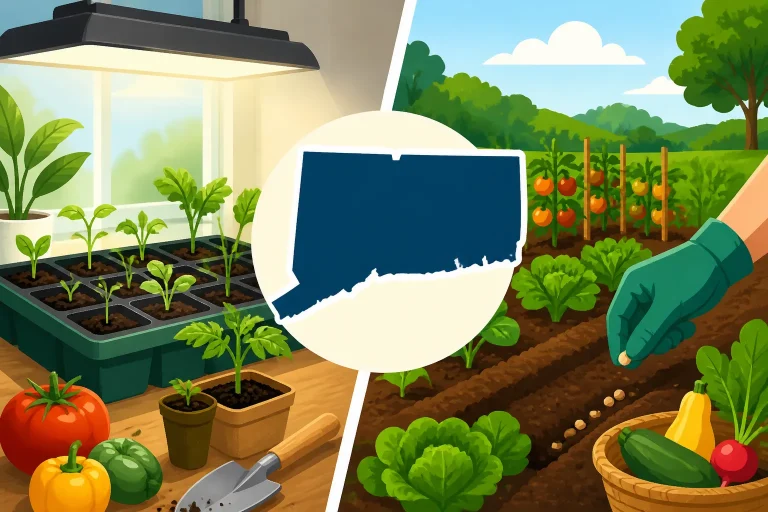
Direct sowing is usually the simplest choice for crops that germinate and grow quickly, including radishes, many greens, and some roots. It avoids transplant shock and lets plants establish where they will mature. Transplants are useful for slower crops that need more time or for replacing a bed quickly when the growing season is already advancing.
| Method | Best fit | Advantages | Trade-offs |
|---|---|---|---|
| Direct sowing | Radishes, carrots, beets, many leafy greens | Simple; roots develop in place; no transplant step | Seedbeds need careful moisture; germination can be uneven |
| Indoor seed starting | Crops that need a head start | Gives seedlings time to develop before going outdoors | Requires space, light, and gradual adjustment to outdoor conditions |
| Purchased transplants | Crops that need time to mature | Speeds up the start compared with sowing in the bed | Plant quality and available choices may vary |
| A mix of methods | Beds with different crops and harvest goals | Helps match the method to each crop | Requires more planning and attention |
Direct sowing: prepare a good seedbed
Before sowing, remove mature weeds and crop debris that could interfere with the new planting. Loosen the surface enough to create a fine, even seedbed. Seeds need contact with moist soil, but very fine soil can crust if it dries or is hit by heavy rain. For specific preparation steps, see Outdoor Seed Sowing Windows for Connecticut Vegetable Beds.
Follow the packet for sowing depth and spacing. Small seeds generally need shallow placement, but the exact depth depends on the crop. Cover seeds evenly, water gently, and check the bed frequently until seedlings emerge. A light covering of shade cloth can reduce drying during hot weather, but it should not prevent air movement or allow seedlings to overheat.
It is easy to sow fall crops too deeply or too densely when trying to make up for lost time. Crowded seedlings compete for light, water, and space. Thin them according to the crop’s needs rather than leaving every sprout in place. Some thinnings are edible, but do not treat them as a substitute for giving the remaining plants enough room.
Starting seedlings indoors
Indoor seed starting can give a slow-growing crop a head start, but it adds work. Seedlings need adequate light, suitable growing conditions, and gradual adjustment to outdoor exposure. A plant that has spent its entire life indoors can be damaged by direct sun, wind, or cool nights if moved outside abruptly.
Use a clean container and an appropriate seed-starting medium. Keep the medium moist without leaving seedlings in standing water. Once the plants are large enough to move, harden them off gradually before planting them in the bed. Connecticut Indoor Seed Starting and Outdoor Vegetable Sowing Dates and Hardening Off Seedlings Before Planting in Connecticut explain these steps in more detail.
If you use seeds from Botanical Interests or another seed supplier, read the packet rather than assuming every variety has the same maturity period. The sowing depth, spacing, and days-to-maturity notes can differ among varieties and between sowing and transplanting instructions.
Use transplants when the calendar is tight
Transplants are especially useful for crops such as broccoli and cabbage when there is not enough time for seeds to germinate and plants to mature in the garden. Choose compact, healthy seedlings rather than leggy or stressed ones. Water them before setting them out, and water the bed after transplanting so roots have contact with moist soil.
Do not crowd transplants to compensate for a late start. Crowding reduces airflow and makes watering and harvesting harder. Space them according to the crop’s mature size and the seed packet or plant tag. If the remaining season is short, choose a smaller harvest goal, such as young leaves, rather than expecting a full head from a plant that has little time to grow.
Prepare beds and keep seedlings growing
A fall garden can fail even when the crop choice is good if the seedbed is dry, compacted, or crowded with weeds. Hot late-summer weather can make establishment difficult, while rain may arrive unevenly. A little preparation before sowing helps seeds emerge and seedlings settle in.
Clear and restore the bed
Remove finished crops and weeds before they set seed. If a plant was diseased, do not leave its affected foliage in the new planting area. Avoid disturbing wet soil, which can compact easily. If the bed is depleted or its condition is uncertain, use a soil test to guide amendments rather than adding fertilizer or lime by guesswork. Testing Garden Soil in Connecticut Before Adding Lime or Amendments explains how soil testing can help with that decision.
Work compost or other amendments into the bed only when appropriate for its condition and the crop. More amendment is not automatically better; the right choice depends on what the soil needs. If you are reusing a raised bed, check that the soil has not settled or become difficult for roots to penetrate.
Manage moisture during germination
Seedlings are most vulnerable when they are small. The soil surface can dry quickly in warm, breezy weather, so check the seedbed rather than assuming recent rain was enough. Water gently so seeds are not washed out or buried. Once plants establish, water thoroughly as needed so moisture reaches their root zone.
Raised beds and containers can dry faster than in-ground beds, especially during late-summer heat. Their convenience comes with closer monitoring. If you are growing in a container, make sure it has drainage and enough room for roots. Choosing Pot and Container Sizes for Connecticut Vegetables can help match containers to crops.
Reduce heat stress without over-shading
Some seedlings benefit from temporary protection from intense afternoon sun while they establish. Shade cloth can help reduce stress, but too much shade limits growth, particularly as autumn days shorten. Remove or adjust protection once seedlings are growing steadily, and make sure air can circulate.
Mulch can help conserve moisture around established plants, but keep it from burying small seedlings. Apply it in a way that does not trap excessive moisture against stems. For more about shade cloth, see How to Use Garden Shade Cloth During Scorching Midsummer Days.
Watch for pests and weeds
Young fall seedlings can be attractive to insects and other garden pests, and weeds can quickly compete for water and light. Inspect plants regularly so you can identify damage early. Covering a bed with suitable row cover may help protect plants from some pests and weather, but supports and covers should not crush the crop or block needed light.
Remove weeds while they are small and avoid deep cultivation near shallow roots. If you are unsure what is causing damage, identify the pest before choosing a response. Identifying Common Connecticut Vegetable Garden Pests can help distinguish common problems. If considering a pesticide, follow the product label, which is the legal instruction for use.
Harvest and protect crops as cold weather arrives
A fall garden does not have to be harvested all at once. Pick leaves regularly, harvest roots when they reach a useful size, and leave cold-tolerant crops in place while conditions permit. The goal is to match each crop’s harvest to its growth and the weather, rather than waiting for every plant to reach a perfect size.
Harvest for the crop’s intended use
Leafy greens can often be picked a few leaves at a time, allowing the plant to continue producing. Avoid stripping a plant so heavily that it cannot keep growing. For a block of baby greens, harvest a section at a time and use the remaining plants for a later picking.
Radishes are generally better harvested while roots are tender. Carrots and beets can be harvested at different sizes, depending on the crop and your preference. If the soil is workable and the roots are healthy, you may leave some to grow longer, but do not assume that all roots will improve if left in the ground. Check them periodically.
Kale and other hardy greens can remain productive as temperatures drop, though cold and reduced light slow growth. A plant that is growing slowly may still provide leaves, but it will not necessarily replace harvested foliage quickly. Take what you need and leave enough healthy leaves for continued growth.
Use frost protection realistically
A light frost does not affect every crop in the same way. Some cool-season vegetables tolerate chilly conditions better than tender crops, while a hard freeze can damage plants that have continued growing outdoors. A row cover or other suitable protection can moderate conditions around plants, but it cannot guarantee survival through every freeze.
Keep covers supported above the crop where possible and secure them against wind. Remove or vent covers when conditions become warm enough to cause overheating. Before a cold night, check the forecast and assess the crop, the protection available, and the temperature sensitivity of the plants. For more on protecting fall plantings, see Protecting Connecticut Gardens When Autumn First Frost Is Forecast.
Do not confuse a frost estimate with a fixed deadline. A forecast can change, and the first frost may arrive earlier or later than the expected date for a location. If a crop is valuable and frost-sensitive, harvesting it before a serious cold event may be safer than hoping protection will be enough.
Keep a record for next season
Write down what you sowed, where it grew, when seedlings emerged, and what you harvested. Note whether a crop struggled in heat, bolted, or grew more slowly than expected. These observations make next year’s timing more useful than relying on a generic planting calendar alone.
Record the conditions as well as the dates. For example, note whether the bed was exposed to wind, shaded in the afternoon, or irrigated regularly. If one crop succeeded in a sheltered bed but not an exposed one, the difference may be the site rather than the variety. Over time, those notes help you choose the crops and locations best suited to your garden.
A modest fall planting is often more reliable than trying to fill every empty space. Start with a few crops you enjoy, sow them early enough to establish, and add another round only if the season and available space allow. That approach produces a more manageable harvest and gives you useful information for the next planting cycle.
Frequently Asked Questions
What vegetables are easiest to sow for a Connecticut fall garden?
Radishes and many leafy greens are practical starting points because they can be harvested young and do not require a large space. Carrots, beets, and turnips are also options when there is enough time for roots to develop and the seedbed can be kept moist.
Can I use the same fall planting date across Connecticut?
No. Coastal, inland, and higher-elevation sites can experience different frost risks, and individual gardens vary in exposure and shelter. Use local frost information as a planning estimate, then adjust for your site and the time each crop needs to mature.
Should I sow seeds or buy transplants?
Direct sow crops that establish well in place, such as many greens and roots. Transplants can be helpful for slower crops when the season is already advancing. In either case, check the crop’s maturity information and count backward from your intended harvest.
Can fall vegetables survive frost?
Some cool-season crops tolerate chilly weather better than warm-season crops, but no crop is guaranteed to survive every freeze. The result depends on the crop, its stage of growth, the severity of the cold, and any protection used.
Is it too late to plant if summer is nearly over?
Not necessarily. Quick-growing greens and radishes may still be reasonable choices, while crops that need a long period to reach full size may be a poor fit. Check the remaining growing window, choose a realistic harvest size, and use a faster crop or transplant if appropriate.
Disclaimer
This article is for general informational purposes only and does not constitute professional advice. Laws, prices and regulations vary by location and change over time. Consult a qualified professional for guidance on your specific situation. Connecticut Gardening Guide is not a government agency and is not affiliated with any university extension, state department of agriculture or other government agency.